
Key Takeaways
- Water heater failure often traces back to a worn anode rod, sediment buildup, or corrosion rather than age alone
- A rotten-egg smell in hot water only can point to bacteria reacting with the anode rod, and the cause is worth investigating before the tank is replaced
- Popping or rumbling noises during heating usually mean sediment has settled at the bottom of the tank and is trapping water underneath
- Tankless systems skip tank and anode rod problems entirely but still need descaling and a clean inlet filter screen to avoid their own kind of failure
- The team at Family Plumbing in Houston says checking a short list of warning signs, covered later, can help homeowners catch a failing water heater before it leaks
A water heater rarely quits without warning. Most tanks and tankless units send up small signals for weeks or months before anything actually breaks, and those signals usually point to a handful of repeat offenders: a spent anode rod, a sediment layer that has built up for years, corrosion working through metal, or a fitting that has finally given out. Age plays a role, but it rarely tells the whole story. Homeowners who know what to listen for and look for can often catch a problem while it is still a repair instead of a replacement.
Signs Your Tank Is Already Failing
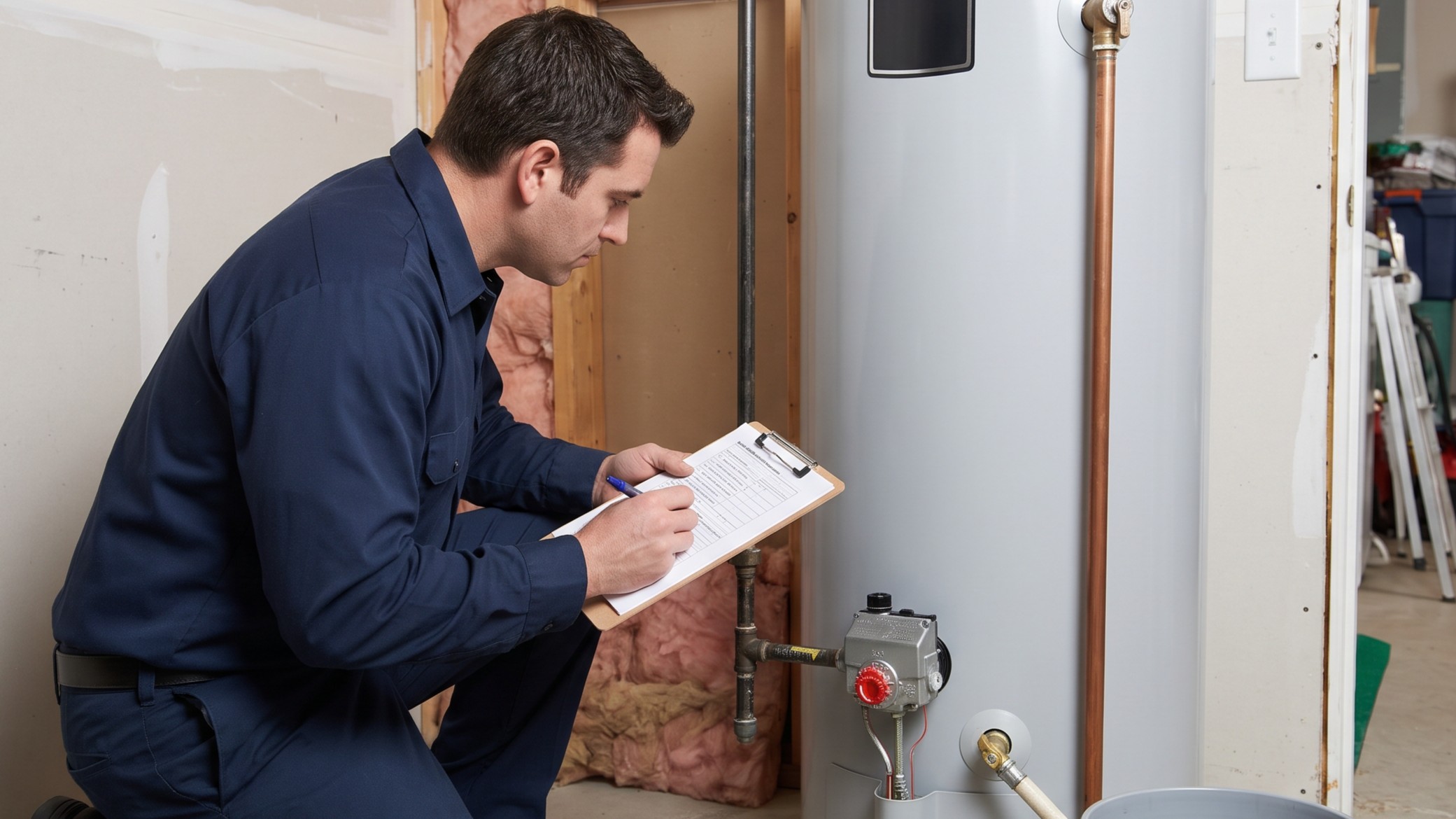
A handful of clues tend to show up together once a tank starts breaking down. Pay attention to these, because they almost always appear before a full failure.
- Popping, rumbling, or crackling sounds coming from the tank while it heats
- Hot water that looks rusty, cloudy, or has a metallic taste
- A rotten-egg smell that only shows up in hot water, not cold
- Water pooling underneath or around the base of the unit
- Hot water that runs out faster than it used to, or takes longer to heat
“Any one of these on its own is worth a look. Several showing up together usually means the tank needs attention soon, not eventually,” says a Texas Master Plumber from Family Plumbing, which recently published a water heater maintenance checklist built around two habits: checking the anode rod and flushing the tank.
The Anode Rod’s Hidden Role
Inside almost every tank water heater sits a long metal rod, usually magnesium or aluminum, that does a quiet but important job. It corrodes on purpose so the steel tank does not have to. Water chemistry naturally attacks the most reactive metal it touches first, and the anode rod is designed to be that metal. As long as there is rod left to sacrifice, the tank’s steel lining stays protected.
Manufacturers generally recommend inspecting the rod every one to two years and replacing it once it is badly worn; a rod often lasts three to five years, though that can run shorter or longer depending on water conditions and usage.
What a Worn Rod Lets Happen
Once the anode rod corrodes down to almost nothing, often visible as a thin steel core wire showing through, the tank itself becomes the next target. Hard water, heavy daily hot water use, or a home with a water softener can all speed up how fast a rod wears down, since softened water tends to be more aggressive toward the rod’s metal.
Without a healthy rod to absorb that corrosion, the tank’s internal lining starts breaking down from the inside, and there is no patching a tank once that happens. At that point, replacement is the only option.
When a Rotten-Egg Smell Points to the Rod
A sulfur-like or rotten-egg smell that only shows up in hot water, while cold water smells normal, often comes down to bacteria reacting with the anode rod. Certain bacteria in the tank can produce hydrogen sulfide, and that reaction tends to happen more with magnesium rods.
A persistent odor like this is worth investigating rather than ignoring, since it usually means something is actively happening inside the tank. Switching to a different rod type, such as aluminum-zinc or a powered anode, can sometimes resolve the smell, but confirming the rod as the source comes first.
How Sediment Quietly Damages a Tank
Minerals in water do not stay suspended forever. Over time, they settle to the bottom of the tank and build up layer by layer, and the rate of buildup depends heavily on how hard the local water supply is. This sediment does more than take up space. In gas water heaters, it sits directly between the burner and the water above it, acting almost like a blanket that forces the burner to run longer and cook the metal underneath. In electric water heaters, sediment can bury the lower heating element and cause it to fail early.
Popping and Rumbling Explained
That popping or rumbling sound many homeowners notice while their water heater is running is not a mystery once sediment enters the picture. Water gets trapped underneath the layer of built-up minerals, and as the tank heats, that trapped water turns to steam and pushes its way out through the sediment, creating the popping or rumbling noise. It is a sign the tank is working harder than it should, and that extra strain adds up over time.
Why Flushing Gets Harder the Longer You Wait
Flushing a tank once a year is the usual recommendation for maintaining a water heater, and homes with harder water may benefit from flushing twice a year instead. The challenge comes when a tank has gone years, sometimes a decade, without ever being flushed. Sediment that has had that long to settle can harden into a crust, and opening the drain valve on a tank like that for the first time can lead to a clog, or the valve may not seal properly again once it has been opened. Stirring up old sediment can also expose weak spots in the tank that the buildup had been quietly covering.
For an older, never-flushed tank, having a plumber handle the first flush tends to be the safer route rather than attempting it alone.
Corrosion, Rust, and Discolored Water
Rust and corrosion rarely appear overnight. They build gradually, often starting small and going unnoticed until hot water starts looking or tasting different.
Exterior corrosion on fittings is also worth watching, since it can indicate moisture sitting where it should not be, and that kind of corrosion tends to worsen the longer it goes unaddressed.
Rusty Water: Rod, Pipes, or Tank?
Rusty or discolored hot water is one of the more alarming signs a homeowner can notice, and it has a few possible sources. A worn anode rod is a common cause, since once it stops protecting the tank, the steel lining itself can start corroding and shedding rust into the water. Older galvanized piping can also be the culprit, especially in homes with original plumbing that has not been updated.
Checking the rod first makes sense, since that is the easier and less costly fix compared to replacing pipe or tank.
What Acidity and Oxygen Add to the Problem
Water chemistry plays a bigger role in corrosion than many homeowners realize. Water with higher acidity or more dissolved oxygen tends to speed up the corrosion process inside a water heater, working alongside whatever sediment and anode wear are already happening.
These factors tend to compound each other: sediment can also give bacteria more surface area to grow on, which can make an existing odor problem worse at the same time corrosion is accelerating underneath it.
Leaks, Fittings, and Pressure Problems
A leak rarely starts at the tank itself. More often, it begins at a fitting, valve, or connection point, and catching it early is the difference between a quick fix and a full replacement.
Checking the Relief Valve, Pan, and Vent
A short visual check once a year can catch problems while they are still small.
- Test the temperature-and-pressure relief valve by lifting the lever briefly. Hot water should shoot out and the valve should snap shut on its own; if it keeps dripping afterward, or nothing happens at all, it needs replacing
- Look at the drain pan underneath the unit for any standing water, which can mean a slow leak has been going on for a while
- Check fittings and connections for rust or corrosion, which often signals moisture escaping somewhere
- On gas units, confirm the vent pipe is secure, properly angled, and free of gaps or rust
An improperly installed relief valve can itself become a source of leaks, which is part of why checking it regularly matters even on a newer water heater.
Why Expanding Hot Water Strains a Closed System
Heating water causes it to expand, and in a closed plumbing system, that expanding water has nowhere to go. A check valve, pressure-reducing valve, or backflow preventer can block that expanded water from flowing back toward the main supply, so pressure inside the system builds up with nowhere to release unless something accounts for it.
A thermal expansion tank solves this by providing a small cushion of compressible air that absorbs the extra volume. Without one, that repeated pressure increase can stress fittings, valves, and the tank itself over time, making leaks more likely down the road.
Tankless Units Fail Differently
Tankless water heaters skip several of the problems tank units deal with, simply because of how they are built. There is no tank to collect sediment, and no anode rod to wear out and expose steel to corrosion. Maintenance still matters, though. Tankless units come with their own wear points, and ignoring those can lead to a different kind of failure.
Descaling and the Inlet Filter Screen
Scale buildup inside the heat exchanger is the main concern for tankless systems, especially in homes with hard water. Descaling involves running a solution through the unit’s service valves to clear mineral deposits before they restrict water flow or damage internal components. The inlet filter screen also needs periodic cleaning, since its job is to catch grit and debris before it reaches the inside of the unit.
Rinnai and Navien both list specific maintenance intervals in their owner’s manuals, and following those intervals is the most reliable way to keep a gas tankless system running as expected.
Early Warning Signs Beat Sudden Failure
Most water heater failures give some kind of notice first, whether that is a strange smell, an odd noise, discolored water, or a drip that was not there last month. The anode rod and the annual flush are the two maintenance jobs most homeowners skip, and they are also the two most responsible for tanks failing years earlier than they should.
For a closer look at what to check and how often, this water heater maintenance checklist walks through the anode rod and flush process step by step.
Family Plumbing
20223 Chad Arbor Trail
Cypress
Texas
77433
United States


