
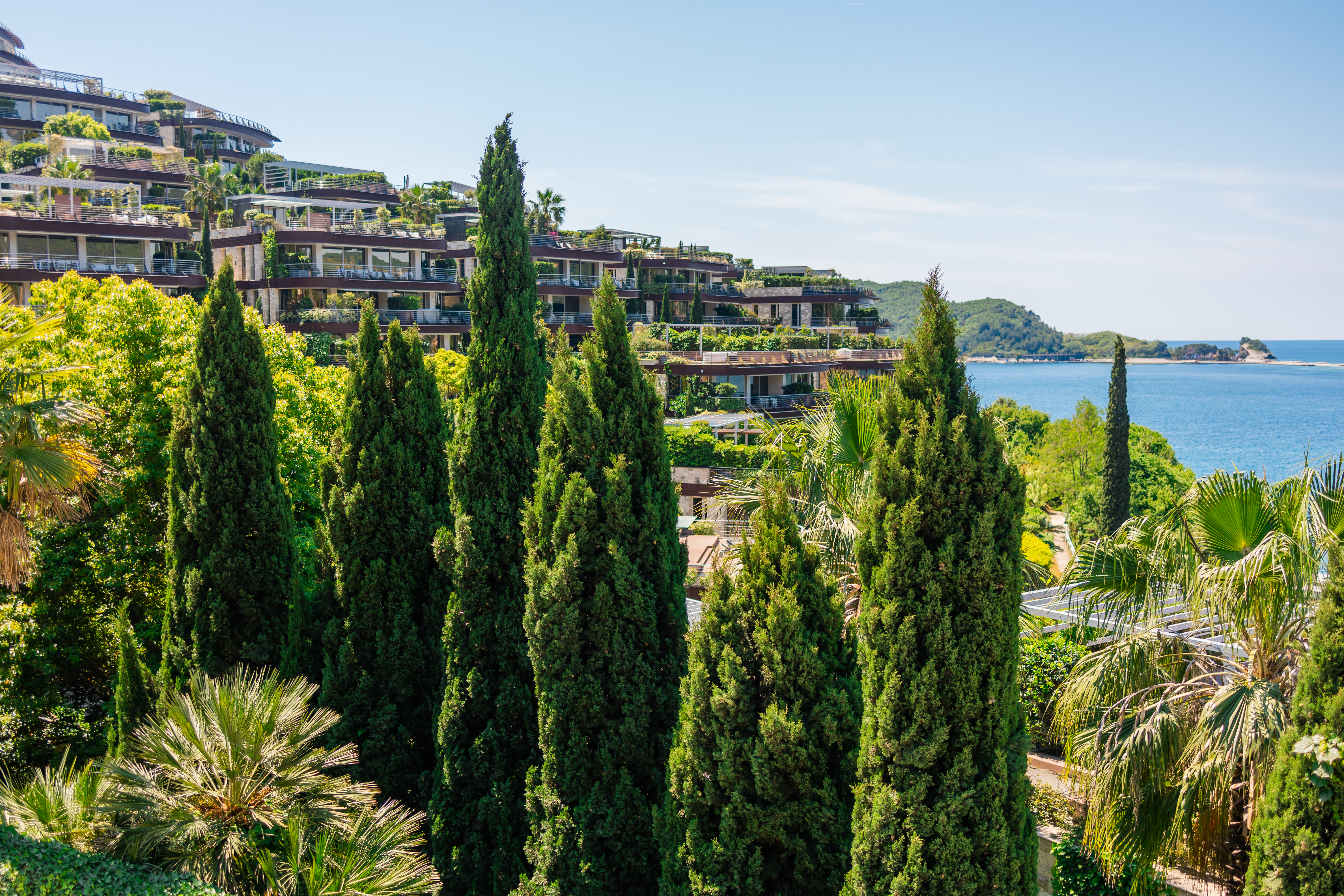
Key Takeaways
- Istria’s average asking price reached €3,852 per square meter in July 2026, reflecting continued demand and limited supply.
- Holiday villas with pools can offer rental income potential, although performance varies considerably depending on location, property features, occupancy, and management strategy.
- Croatia’s EU membership and Eurozone adoption have made property transactions more straightforward for many European buyers.
- Luxury properties combining privacy, outdoor space, modern amenities, and access to the Adriatic remain limited in Istria’s most desirable locations.
- Read on to understand what distinguishes Istrian luxury real estate and why villas and second homes are attracting attention from European buyers.
Few corners of Europe manage to offer rolling countryside, Adriatic coastline, and an established residential property market in one place. Istria does — and the numbers are beginning to reflect growing interest in this distinctive Croatian peninsula.
Record Prices, Strong Demand — But a Market Shifting in Character
Istria’s real estate market has moved well beyond its early-adopter phase. Average asking prices reached €3,852 per square meter in July 2026, reflecting continued demand alongside constrained supply. Recent years have also brought substantial price growth across parts of the region, particularly in sought-after coastal and lifestyle locations.
The character of demand is changing, too. Buyers are no longer simply comparing Istria with more expensive destinations in Italy or elsewhere in the Mediterranean. Privacy, outdoor space, accessibility, modern amenities, and the ability to use a property throughout the year are increasingly important considerations, particularly in the luxury and second-home segments. Contemporary villas with pools, generous outdoor areas, and countryside settings represent a distinct part of Istria’s evolving residential market.
The “Tuscany of Croatia” Appeal
Rolling Hills, Historic Towns, and Adriatic Access
The comparison to Tuscany is rooted largely in geography. Istria’s interior is defined by terracotta-roofed hilltop towns such as Motovun and Grožnjan, vine-covered slopes, olive groves, and a landscape shaped by centuries of agriculture and settlement.
Critically, the countryside remains within reach of the Adriatic. Many inland locations provide relatively easy access to established coastal towns, allowing second-home owners to combine a quieter rural setting with beaches, restaurants, marinas, and other coastal amenities.
For luxury buyers, that creates an interesting alternative to conventional beachfront property: greater privacy and outdoor space without completely giving up access to the sea.
European Cities Within a Weekend’s Drive
Location is one of Istria’s most practical advantages. The peninsula sits at Croatia’s northwestern edge, bordering Slovenia and positioned close to northeastern Italy. Venice and Milan can be reached by car, while Vienna and Munich are also accessible by road.
For buyers based elsewhere in Central Europe, that accessibility can make an Istrian property practical for shorter and more frequent visits rather than limiting its use to one or two longer holidays each year.
Why Istrian Property Remains in Demand
Limited Supply in Desirable Locations
One defining characteristic of Istria’s luxury property market is the limited availability of homes that combine privacy, substantial outdoor space, contemporary amenities, attractive views, and convenient access to established towns or the coast.
Geography and planning restrictions naturally limit how much residential stock can be added in sought-after locations. For buyers, this makes the characteristics of an individual property particularly important when comparing available villas and second homes.
Sea or countryside views, a private pool, landscaped outdoor areas, energy efficiency, parking, and proximity to everyday amenities can all influence how one property compares with another. Modern villas can be especially attractive to buyers who want the Istrian setting alongside contemporary design and lower maintenance requirements.
Istria’s Own Market — Not Simply a Cheaper Italy
Istria is frequently compared with Tuscany and other parts of Italy, but the comparison can oversimplify the market. Pricing in established Istrian destinations, particularly coastal towns such as Rovinj and Poreč, increasingly reflects the region’s own supply, demand, and lifestyle characteristics.
Rather than simply offering a lower-cost alternative to Italy, Istria presents a different proposition. Buyers can choose between established Adriatic towns, smaller communities, and inland countryside while remaining within a relatively compact geographical area.
This variety has helped the peninsula develop a luxury property identity of its own.
Rental Potential for Luxury Villas
Returns Depend Heavily on Property and Strategy
Rental income can form part of the decision when purchasing an Istrian second home, particularly for owners who do not plan to occupy the property throughout the year.
Properties with private pools, attractive locations, sufficient bedroom capacity, and well-designed outdoor areas may be particularly suited to the holiday rental market. However, actual income and returns depend on factors including purchase price, occupancy, operating costs, management fees, seasonality, and local rental regulations.
For buyers considering rental use, realistic projections based on comparable properties are therefore more useful than relying on broad regional averages.
A Long Tourist Season Supports Demand
One notable feature of Istria is that its appeal extends beyond the height of summer. Alongside traditional beach tourism, the region attracts visitors for food, wine, cycling, cultural attractions, and outdoor activities.
This broader tourism offering can extend demand into the shoulder months, although occupancy naturally varies according to location and individual property characteristics.
For second-home owners, a longer visitor season may provide greater flexibility when balancing personal use with periods of holiday rental.
Who Is Buying — and Why Croatia’s EU Status Matters
The buyer profile in Istrian luxury real estate includes purchasers from across Europe, with the region’s proximity to Slovenia, Italy, Austria, and Germany contributing to its accessibility.
Croatia joined the European Union in 2013 and adopted the euro in 2023. For many European buyers, use of the common currency removes exchange-rate considerations from the transaction and makes everyday ownership costs easier to understand.
Property regulations still require careful consideration, particularly because rules can differ according to nationality, property type, and intended use. Buyers considering a Croatian property should therefore obtain appropriate legal and tax advice before completing a purchase.
What to Look For in an Istrian Luxury Property
Coastal Towns vs. Countryside Estates
The Istrian market offers two noticeably different residential environments.
Coastal towns such as Rovinj, Poreč, and Novigrad provide immediate access to beaches, restaurants, marinas, and established tourist infrastructure. Entry prices can be higher in sought-after locations, while proximity to major attractions can support strong seasonal demand.
Countryside locations, meanwhile, can offer larger plots, greater privacy, open views, and a quieter residential environment while remaining within driving distance of the coast. Modern villas in these areas can appeal to buyers seeking space and seclusion without sacrificing access to Istria’s towns and beaches.
The right choice ultimately depends on how the property will be used. A buyer prioritising frequent restaurant and marina access may prefer a coastal location, while someone looking for privacy, outdoor living, and a larger property may find the countryside more suitable.
Pools, Privacy, and Practical Design
In the luxury villa market, certain features can have a significant influence on both personal enjoyment and rental appeal.
A private swimming pool is a particularly common feature among higher-end Istrian villas, while privacy and separation from neighbouring properties can make countryside homes attractive to buyers seeking a quieter second residence.
Design matters as well. Modern kitchens and bathrooms, reliable internet access, air conditioning, outdoor dining areas, terraces, parking, and energy-efficient systems can make a property easier to use throughout the year.
Buyers evaluating newly built or recently completed villas should consider these practical elements alongside architecture and aesthetics. A visually impressive property still needs to work comfortably as a home.
Istria Combines Lifestyle With a Distinctive Property Market
Istria’s appeal comes from a combination that can be difficult to reproduce elsewhere: Adriatic access, rolling countryside, historic towns, established food and wine culture, and relatively straightforward connections with several Central European countries.
Its luxury property market reflects that diversity. Buyers can choose waterfront apartments, homes in established coastal towns, or contemporary villas surrounded by the quieter landscapes of inland Istria.
Limited availability in the most desirable locations means buyers should look beyond headline asking prices when comparing properties. Location, condition, outdoor space, energy performance, accessibility, intended use, and ongoing ownership costs all contribute to whether a particular villa or second home is the right fit.
For those considering luxury real estate in Croatia, Istria therefore offers more than a conventional beach-home market. It provides several distinct ways to experience the Adriatic lifestyle, from lively coastal communities to modern villas set among the vineyards and hills of the peninsula.
Local real estate experts advise buyers comparing luxury property in Istria to consider location, accessibility, property condition, outdoor space, and intended use alongside asking price.
M&N International Real Estate
Pristaniška ulica 6, Koper,
Coastal Region
Slovenia
6000
Slovenia


